

An aged queen, about to die: this is where we begin. This feverish vision, in which Charlotta Ofverholm, dressed in flesh-toned garments, bald cap pulled over her scalp, moves under a spotlight as debris—snow, maybe—falls around her, is one the few present moments we see in “Mary, Queen of Scots,” a ballet by Sophie Laplane, which Scotland Ballet presented at Lincoln Center last week. The two-act narrative work follows Queen Elizabeth I’s memories, on her last day of life, as she recalls her cousin who she sentenced to death, the Catholic Mary Stuart.
Set to an original score by Mikael Karlsson and Michael P Atkinson—which is so cinematic and layered I didn’t immediately register that the New York City Ballet Orchestra was playing it live—“Mary” is a bold and inventive entry into the genre of the story ballet, featuring double casting (the younger Elizabeth played, at my performance, by the monumental and stately Harvey Littlefield), ample gags (a pair of stilts; a large fake dog), saucy pas de deuxs, and death, arriving as a lime-green jester. Kayla-Maree Tarantolo, in this role, is slippery and cheeky—I think from time to time of the koroks from The Legend of Zelda—but in an adagio she’s almost bafflingly moving. The titular Mary (Roseanna Leney) is svelte and commanding: Cyd Charisse as the Queen of Scotland.
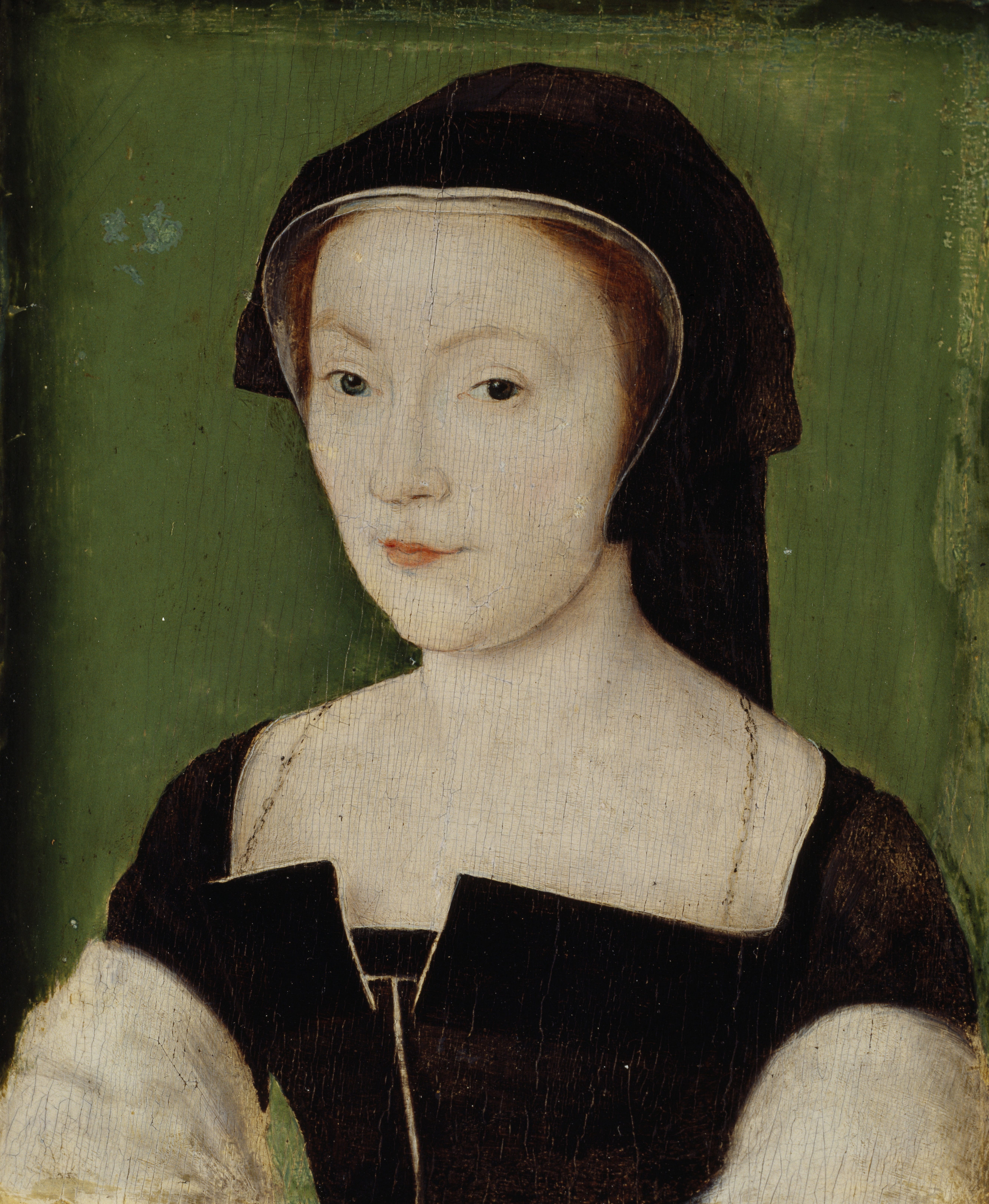
I’ll admit I came to the show with some reservations. “Seems like nobody wants to do a story ballet these days,” I’ll say, and then scorn the lackluster attempts that today’s choreographers have to offer. Laplane, with co-creator James Bonas, created something quite remarkable: inventive in both its movement and its storytelling, a surprising yet delicate balance of concrete and theoretical. There are moments at which the ballet slips into corny literalism—such as when the words “Catholic witch,” among others, appear scrawled above Mary, who is accused of killing her husband. But far more frequent are the instances of sheer delight, when I smiled at the stage from the back row of the orchestra. I loved the younger Mary’s entrance on stilts, making a tall dancer even more grandiose, I loved the beetly mannerisms of her spies, I loved the shadowplay of Mary and her ladies turning into a vicious spider. I loved—let me repeat—every time the Jester entered the stage, clownish yet sinister below the surface.
The thing about a story ballet is that its story can’t be too complex, lest the dancing lean too heavily on pantomime or props. A common affliction, too, in contemporary ballet is this: an inviolate need to be edgy, which takes technique from its pride of place.
The creators of “Mary, Queen of Scots,” stripped back the life and story of Mary Stuart in order to make her legible for the audience, but also to achieve a different aim—portraying a history not through the unraveling of a timeline of facts, but creating an emotional essence that distills what this story means to the culture which deemed it important enough to tell in this medium.
It’s through art that such intangibles take shape and are preserved through something as impermanent as our own bodies, passed down as history continues to unravel, its meaning shifting imperceptibly by day, until the bigger story is told on a stage where we might find something that strikes us deep to our core.
In today’s newsletter you’ll find:
The composer scoring the NBA finals
How to fix your attention span enough to pick up some Henry James
Two new museum exhibits for the woo-woo crowd
What’s actually working for the Royal Opera and Ballet
And 20+ more news items in the world of art and culture.
